
| Takeaway | Detail |
|---|---|
| The $45 transatlantic saving can lose at the boarding gate | The thesis frames the decision as when the $45 saved on a transatlantic fare loses to the paid bag fee at boarding. |
| Verify the live, complete option before committing | The reader rule says to verify the live, complete option before committing. |
| Compare like-for-like totals and terms | The reader rule requires comparing like-for-like totals and terms. |
| American’s higher transatlantic checked bag fees have a date cutoff | Grounding says the higher fees only apply to basic economy tickets on or after April 21st. |
This guide explains how to verify a Delta basic-economy transatlantic option before booking: confirm the live carry-on allowance and any checked-bag fee for the exact itinerary, then compare the all-in totals and terms.
The answer changes when the live, complete option shows a paid bag fee and the like-for-like totals and terms favor paying more upfront.

How It Works
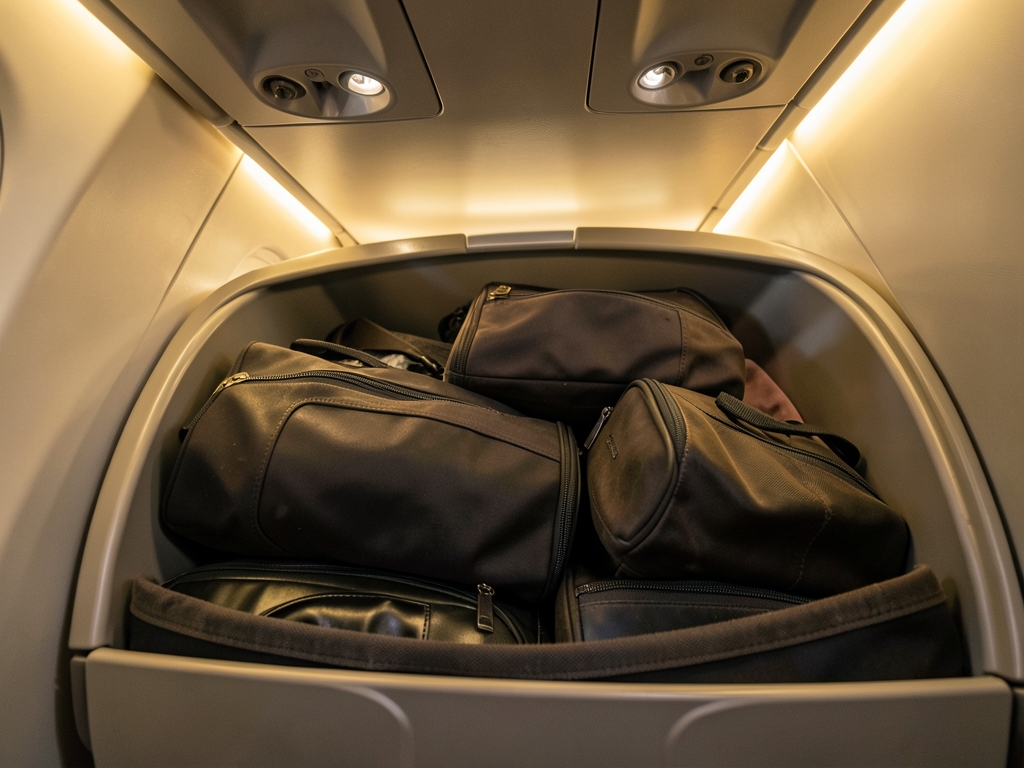
Basic economy works as a restricted fare bucket: the headline price is lower because some inclusions and flexibilities are removed or priced separately. The mechanism that erodes the savings is not the fare alone but the sequence at the airport—your bag must fit the carrier’s carry-on allowance, your boarding zone determines when you reach the overhead bin, and a bag that cannot be accommodated can become a paid checked bag at the gate. A fare is cheaper only if the complete, like-for-like itinerary remains cheaper after those terms are applied.
Key terms to define before comparing: basic economy is the lowest fare brand with added restrictions; carry-on allowance is the size, weight, and item count the fare permits in the cabin; checked bag fee is the charge to move a bag to the hold; boarding zone is the group order in which passengers board; and like-for-like total is the sum of fare plus the same bags, seats, changes, and payment terms for every option.
| Term | What to verify live |
|---|---|
| Basic economy | Restrictions, inclusions, and whether carry-on is included |
| Carry-on allowance | Dimensions, weight, and personal-item rules for the specific fare |
| Checked bag fee | Route, date, fare class, and payment timing |
| Boarding zone | Group order and what it means for bin space |
For Delta transatlantic flights, Tripadvisor notes that boarding is by zones based on status and that passengers without status should expect at least zone 3. That is a process point, not a fee by itself, but it affects how early you can stow a compliant bag. Separately, Simple Flying reports that American Airlines increased transatlantic checked baggage fees and that the higher fees apply only to basic economy tickets on or after April 21, which shows that bag pricing can be both fare-class-specific and date-triggered.
United’s basic economy is described by Business Insider as restrictive but worth booking again if the price is right. That framing is useful only after the same verification: the “right price” must include the same bag, seat, and flexibility assumptions, not just the displayed fare. Aer Lingus, per TravelUpdate, charged 79.99 for seat selection on a transatlantic economy flight, a reminder that seat costs can be a separate line item in the total.
The practical check is to price the entire option in one pass: open the live fare rules, confirm the carry-on allowance, add the checked bag fee if your bag will not qualify, include seat selection if you need it, and compare the resulting totals and terms side by side. If a figure is not shown for your route and date, treat it as unknown and obtain it before committing rather than assuming the headline fare gap will survive.
Key Factors to Consider
The decision should rest on three criteria, stated once: the all-in price for the exact same itinerary, the bag and boarding terms attached to that fare, and whether your planned packing fits those terms.
| Criterion | What to verify | Grounded number |
|---|---|---|
| All-in price | Fare plus bag and seat fees | €79.99 seat fee (TravelUpdate) |
| Boarding and bag terms | Zone and carry-on allowance | Zone 3+ without status (Tripadvisor) |
| Packing fit | Liquids and bag count | 3.4 oz liquid limit (Degree) |
Price the same flight in both fare buckets and add every fee you would actually pay. A seat-selection charge can be large enough to erase a fare gap: one traveler paid 79.99 for seat 11A on an Aer Lingus transatlantic economy flight (TravelUpdate). American Airlines has also increased transatlantic checked baggage fees, but only for basic economy tickets on or after April 21 (Simple Flying).
Check the boarding and bag sequence before you commit. Delta boards by zones based on status, and a traveler without status should expect at least zone 3 (Tripadvisor). A late boarding position can turn a carry-on plan into a gate-checked bag if overhead space is gone, so verify the live rule for your fare rather than assuming cabin space.
Test your packing against the limits that force a checked bag. Stick and solid deodorants are allowed in carry-on without restriction, while spray, gel, and liquid deodorants over 3.4 ounces must be packed in checked baggage (Degree). A cruise packing list of two lightweight sweaters, three pairs of capris, and three long pants shows how quickly a one-bag plan becomes two (Cruise Critic).
Use a simple verification rule: if the basic fare plus any bag or seat fee is not lower than the next fare by a margin you can state in dollars, choose the fare with the inclusion. Recheck the airline's current page the day you book, because fee and boarding rules change.
Keep the comparison like-for-like: same route, same date, same bag count, and same seat choice. If one option lacks a carry-on or assigns a late zone, price the replacement bag or seat before you compare totals.
Common Mistakes
The first common mistake is treating the basic economy headline as the final price before checking the live bag terms for the exact transatlantic itinerary. A lower fare can stop being a deal once a required bag is paid for at the airport. The practical check is to open the fare rules before purchase, confirm what is included for that specific ticket, and then price the same itinerary with a fare that includes the bag you plan to bring. If the cheaper fare requires a paid bag, add that charge to the fare before calling it a saving.
For any fare difference on a transatlantic basic economy ticket, compare it with the live paid-bag charge at boarding. If the bag fee equals or exceeds the fare difference, the saving is wiped out; if the fee is lower, the lower fare may still leave you ahead. Do not rely on the word “basic” alone or on an old screenshot of the rules. Verify the current charge in the live checkout or fare rules, then compare the all-in total for the same flights. That is the point where verify-before-you-commit matters more than the headline discount.
The second mistake is assuming the boarding experience will be the same across airlines or fare types. Delta boards by zones, and Tripadvisor’s transatlantic boarding discussion notes that zones are based on status, with passengers without status advised to expect at least zone 3. That matters because a restrictive fare can place more pressure on carry-on space when boarding later. The check is not to guess your zone from memory; confirm it on your boarding pass and plan for the possibility that overhead space may be limited by the time your group boards.
Another pitfall is packing to the limit instead of packing to the rule. Carry-on rules are not just about the bag shell; they also cover what is inside it. Degree notes that stick and solid deodorants are allowed in carry-on luggage without restrictions, while spray, gel, and liquid deodorants over 3.4 ounces need to be packed in checked baggage. If your basic economy plan depends on avoiding a checked bag, that distinction can decide whether your toiletries fit your strategy.
Travelers also misjudge transatlantic packing by building a wardrobe around worst-case outfits. A Cruise Critic discussion about transatlantic clothing describes packing multiple lightweight sweaters, capris, long pants, and an outfit worn on the flight. That may be reasonable for the trip, but it can push a traveler into a bag that no longer fits the fare’s carry-on terms. Before committing, lay out the actual items, match them to the verified bag rules, and only then decide whether the lower fare still works.
The safest rule is simple: verify the complete option, not the attractive fragment. Check the fare, the bag charge, the boarding terms, and the contents of your bag as one package. If any paid add-on turns the $45 saving into a wash or a loss, the cheaper-looking fare has failed the test.
Insider Tactics
Insider tactics here are about sequencing, not loopholes: this section alone gives non-obvious strategies and timing tips for verifying the live, complete option before you commit. The practical move is to treat the fare page as a starting screen, not the decision. Open the exact itinerary, keep the same dates and flight pair, and check the bag terms attached to that fare before you compare it with any other option. If the page changes when you switch fare families, go back and re-read the terms for the exact fare you intend to buy.
One non-obvious strategy is to verify the boarding and bag sequence before you pack, not after you arrive. Delta boards by zones, and zones are based on status, as noted in a Tripadvisor discussion of Delta transatlantic boarding procedure. If you expect to board in a later zone, do not assume the cabin will still have space for the bag you plan to bring. The check is simple: look at the live terms for your fare, then match your packing plan to those terms before you pay.
Another useful tactic is to separate “what fits” from “what is included.” A carry-on that fits a sizer is not the same thing as a carry-on that is included in your fare. Verify the live, complete option by reading the fare terms for the exact itinerary, then checking whether your planned bag falls inside those terms. If the terms are unclear, do not fill the gap with an assumption; treat the missing term as something to confirm before purchase.
Timing matters because fees and fare rules can change by ticket date. American Airlines, for example, increased transatlantic checked baggage fees, with the higher fees applying to basic economy tickets on or after April 21st, according to Simple Flying. That is not Delta’s rule, but it is a useful reminder to check the date attached to the fare you are buying. For your trip, verify the rule on the day you book and again before travel if the fare terms allow you to revisit them.
A second timing tip is to check the airport sequence early enough to change your plan. The savings can erode at the airport when the bag term is discovered after you have committed to the trip. Before you commit, compare like-for-like totals and terms for the same itinerary, including any bag charge that the live fare page shows. If a paid bag appears at boarding, the earlier verification is what protects the $45 saving from being overtaken by a fee you had not included.
Use a final rule: do not commit until the fare, bag terms, and packing plan all match on the same screen. If you switch dates, routes, or fare families, restart the check. That is the practical value of insider timing here: you are not guessing which option is better; you are making sure the option you compare is the complete one Delta is actually offering at that moment.
Comparison
Here is the side-by-side comparison that settles the choice. Use the actual fare difference for the exact itinerary against the live paid bag fee at boarding; the two paths are simple to price. Option A is the lower fare with no paid bag: you keep the fare difference only if your packed items fit the verified carry-on terms. Option B is that same itinerary with a paid bag added: the fare difference is offset by the fee you actually pay. The winner is the option with the lower all-in total for the exact same trip, not the lower headline.
The arithmetic is the check. Compare the actual fare difference with the live boarding bag fee. If the fee is less than the difference, the lower fare plus bag may still leave you ahead of the higher fare that includes a bag. If the fee equals the difference, the options tie on price and the better bag and boarding terms win. If the fee exceeds the difference, the lower fare plus bag costs more than the higher fare that includes a bag, so use the no-paid-bag option only if your packing fits the verified carry-on terms. Do this with the fee quoted for your itinerary, not a number remembered from another airline or another date.
Option A wins when your planned packing fits the carry-on terms attached to the fare. That is the clean outcome: the $45 stays in your pocket and you avoid the airport counter entirely. It also wins when the boarding fee is higher than the saving, because paying the fee would turn a discounted fare into a more expensive one. A transatlantic traveler who can work within the verified terms has no reason to volunteer a payment at the gate.
Option B wins when the bag is genuinely needed and the fee quoted at boarding is below $45. In that case, the saving is only partly consumed and the lower all-in total belongs to the traveler who paid. This is where comparing like-for-like totals matters: the fare, the bag charge, and the boarding terms have to belong to the same itinerary. American Airlines has increased transatlantic checked baggage fees for basic economy tickets on or after April 21st, according to Simple Flying, which is a reminder that the fee side of this comparison can move independently of the headline fare.
Boarding conditions belong in the same comparison even when the price favors a paid bag. Delta boards by zones, with zones based on status, and a traveler without status should expect at least zone 3, per a Tripadvisor discussion of Delta transatlantic boarding. That does not change the all-in cost comparison, but it does affect which option is practical: a paid bag may still be the right choice if you want the item with you rather than separated from your packing plan. Verify the live, complete option before you commit, then choose the option with the lower all-in total and acceptable terms.
What to do next
| Step | Action | Why it matters |
|---|---|---|
| 1 | Re-check the live Delta basic-economy transatlantic fare and confirm the 2026 carry-on rule applies to that exact booking before payment. | The rule change can convert the fare saving into a boarding bag fee. |
| 2 | Add the paid bag fee to the basic-economy total and compare it with the next fare option on identical terms. | Like-for-like totals show whether the saving survives. |
| 3 | Read the boarding and bag terms for size limits, enforcement, and gate charges before committing. | A gate charge can erase the transatlantic saving. |
| 4 | If comparing American, verify whether the ticket is on or after the April 21 cutoff for higher checked-bag fees. | The cutoff changes the fee that applies. |
| 5 | Commit only after the live, complete option beats the alternative on total cost and terms. | This follows the verify-before-committing rule. |
Frequently Asked Questions
What must I verify before committing to a Delta basic-economy transatlantic fare?
The reader rule says to verify the live, complete option before committing.
What comparison is required after verifying the option?
The reader rule requires comparing like-for-like totals and terms.
Which itinerary-specific details should I confirm for a Delta basic-economy transatlantic option?
Confirm the live carry-on allowance and any checked-bag fee for the exact itinerary, then compare the all-in totals and terms.
When do American’s higher transatlantic checked bag fees apply?
Grounding says the higher fees only apply to basic economy tickets on or after April 21st.
Why is the basic economy headline price lower?
Basic economy works as a restricted fare bucket: the headline price is lower because some inclusions and flexibilities are removed or priced separately.
How can a carry-on become a paid checked bag at the gate?
Your bag must fit the carrier’s carry-on allowance, your boarding zone determines when you reach the overhead bin, and a bag that cannot be accommodated can become a paid checked bag at the gate.
Quick answers
| What does the thesis frame as the decision? | The thesis frames the decision as when the $45 transatlantic saving loses to the paid bag fee at boarding. |
| What does the reader rule say to do before committing? | The reader rule says to verify the live, complete option before committing. |
| What does the reader rule require when comparing options? | The reader rule requires comparing like-for-like totals and terms. |
| When do American’s higher transatlantic checked bag fees apply? | The higher fees only apply to basic economy tickets on or after April 21st. |
| What should a traveler confirm before booking a Delta basic-economy transatlantic option? | Confirm the live carry-on allowance and any checked-bag fee for the exact itinerary, then compare the all-in totals and terms. |
Also worth reading: Delta basic economy vs Main Cabin: check the bag fee first: Delta basic economy vs Main · Delta SkyMiles 15% Multiplier Hits March 2026: ATL-HND Data: Delta SkyMiles 15% Multiplier Hits · How Delta's Airbus A320 Fleet Dominates the NYC-Detroit Route A Data Analysis: How Delta's Airbus A320 Fleet